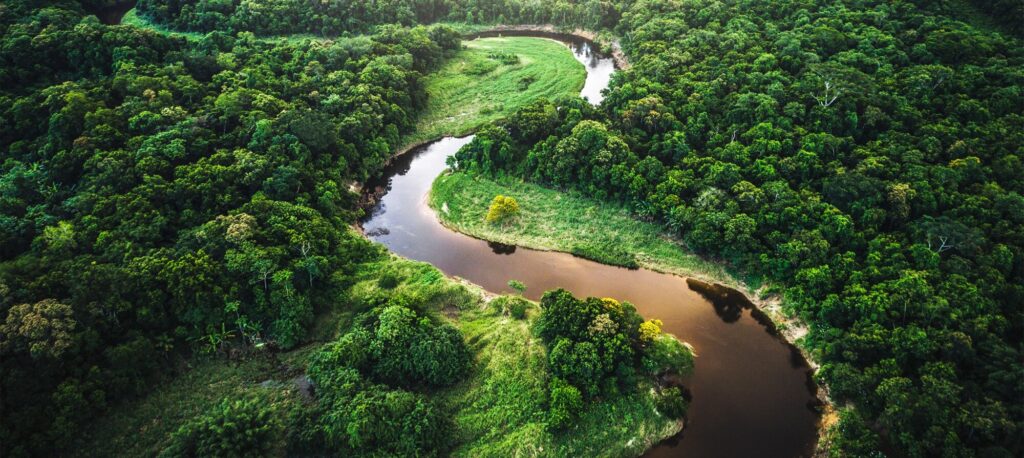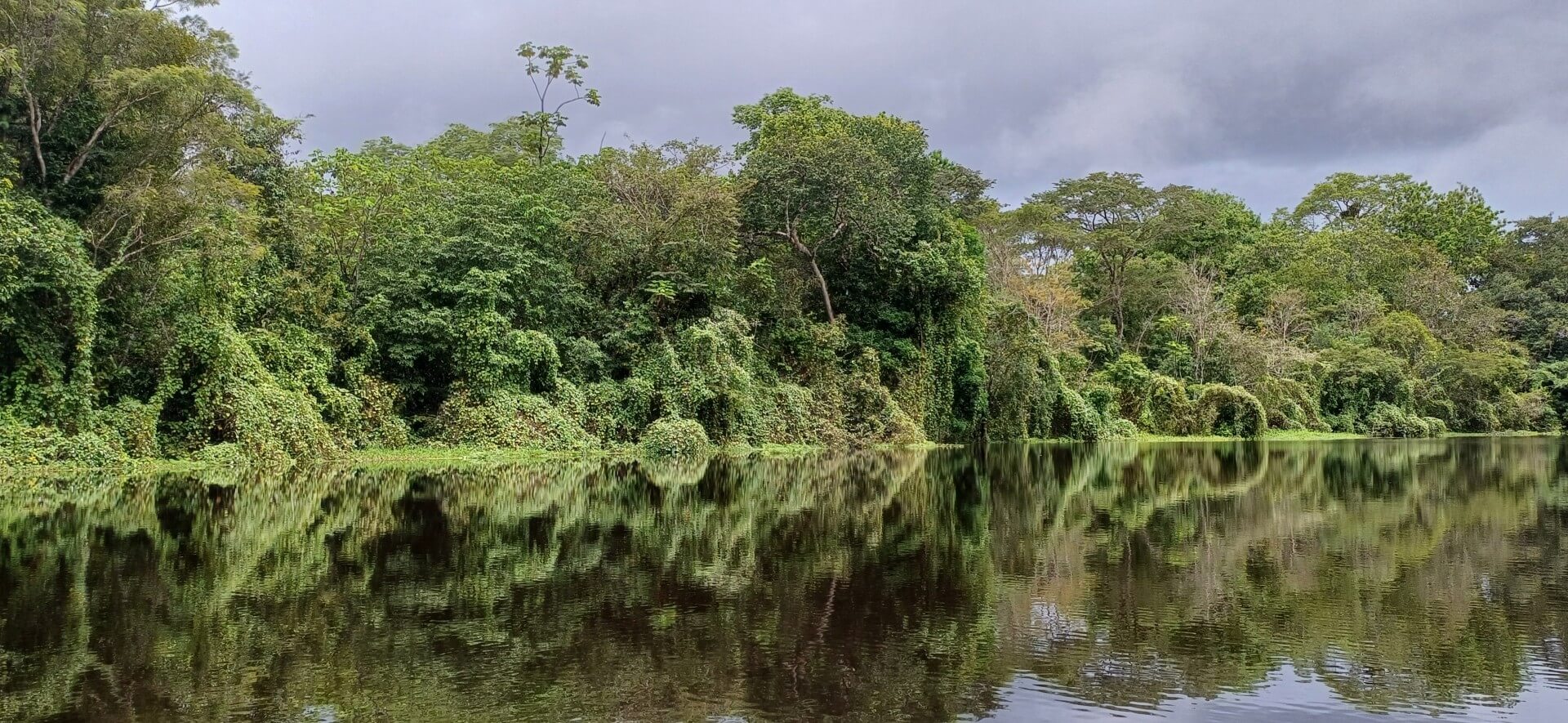
Hey there, curious traveler! If you’ve ever dreamed of exploring the amazing nature of Colombia, you’ll be amazed at how much the landscape changes as you go higher up a mountain or walk through a forest. This happens because of the vegetation zones, which are simply different areas with their own climates, plants, and animals. Each zone is special in its own way, making Colombia a true nature paradise. Come along on this fun virtual trip to learn about the vegetation zones of Colombia!
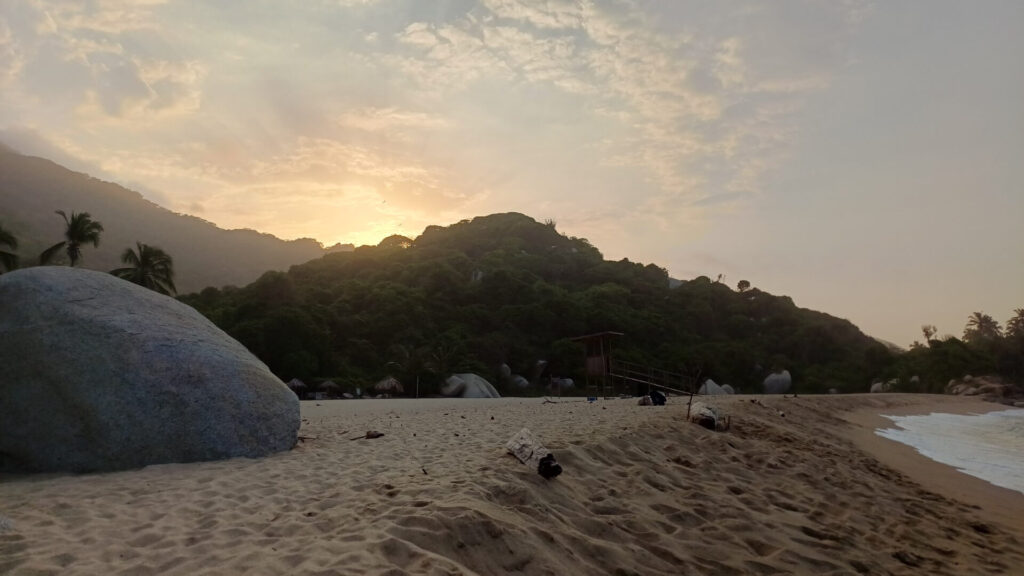
Temperate Zone: The Land of Mountains and Clouds
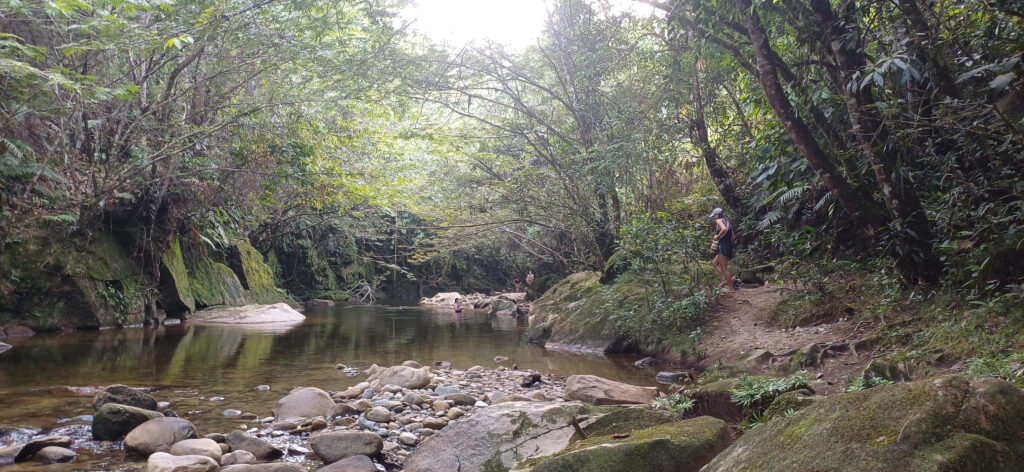
In the highlands, above 1,000 meters (3,280 feet) above sea level, we find the temperate zone. This is a perfect place for those who like cool weather, but not too cold. In this zone, you can find forests with trees like oak and guanacaste, and many ferns. It’s also where coffee is grown. Birds like hummingbirds and colorful butterflies are common here, making this zone full of life and color.
Andean Zone: The Tall Mountains of the Andes
Going higher, around 2,000 to 3,000 meters (6,560 to 9,840 feet), we reach the Andean zone. This is where the tall Andes mountains are, and the plants start to change. You’ll see misty forests with tall trees covered in moss and lots of ferns. It’s like walking through a magical forest! You can also find the frailejón, a plant that has learned to live in the cold and humid conditions here. The air is thinner, so everything feels fresh and different at this height.
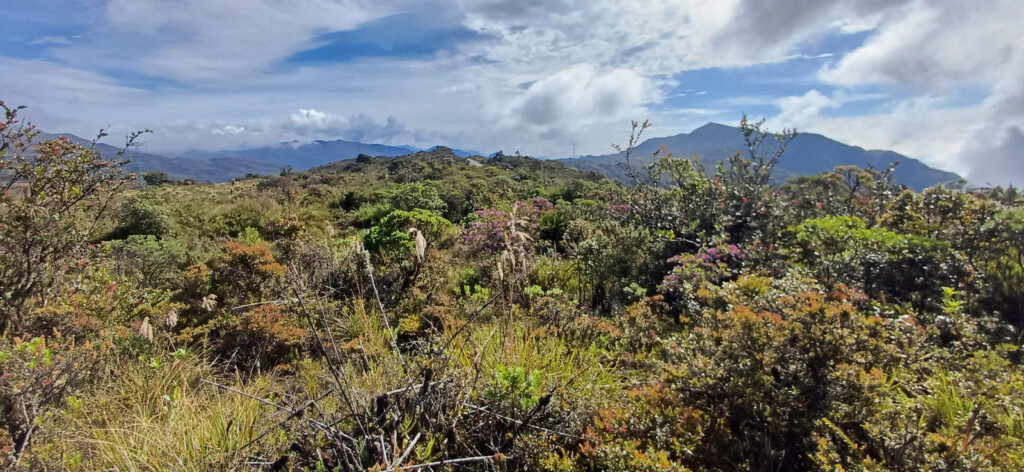
Subalpine Zone: Almost Touching the Sky
If we keep going up, between 3,000 and 3,800 meters (9,840 to 12,470 feet), we get to the subalpine zone. Here, it gets much colder, and plants are fewer, but we can still find some special plants like the frailejón. These plants have thick, fuzzy leaves that help them survive in the cold. As we go higher, the plants get smaller, and the landscape starts to look like a high-altitude desert.
Alpine Zone: The Peak of the Mountains
Above 3,800 meters (12,470 feet), we enter the alpine zone. This is a place so high that very few plants can survive because it’s too cold and there’s less oxygen. In this zone, we find páramos, unique ecosystems that are only found in the high mountains of Colombia and other Andes countries. Páramos are very important because they store water and release it slowly to rivers. Even though there aren’t many plants here, the views are stunning, with rocky landscapes and clear lagoons.
Tropical Zone: The Jungle and the Beaches
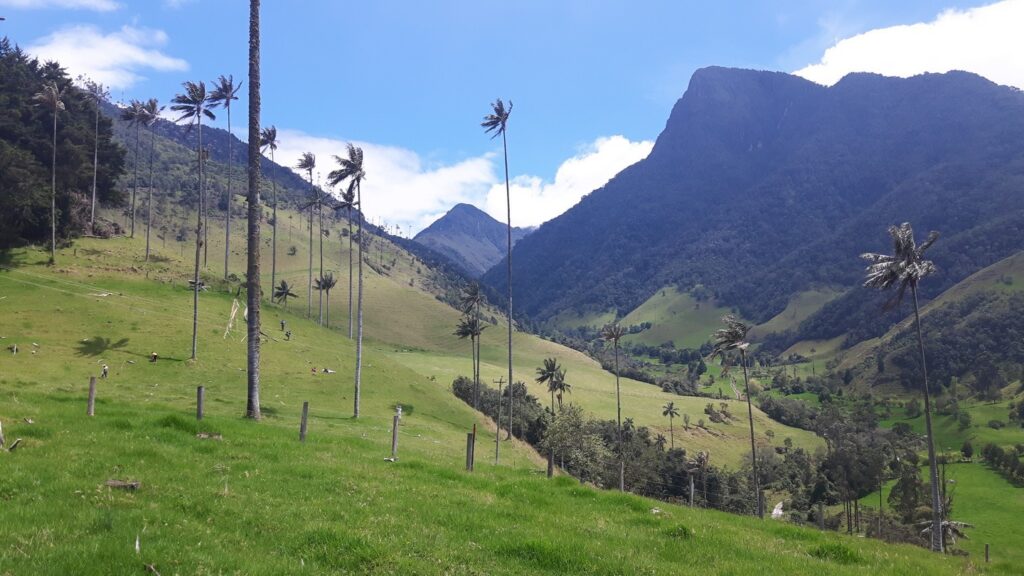
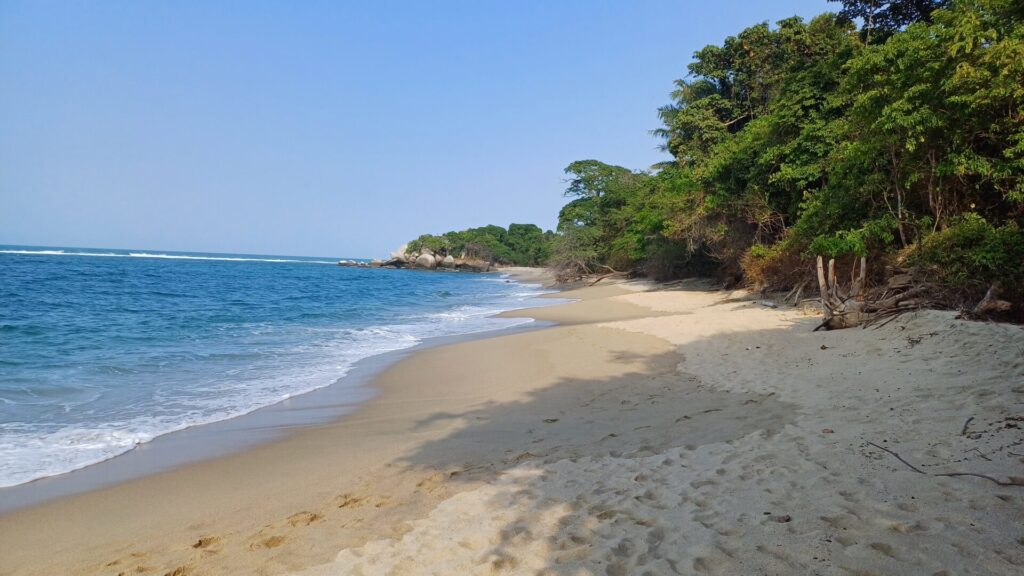
Now, if you go down to the lowlands, below 1,000 meters (3,280 feet), we get to the tropical zone. This is where you’ll find jungles, beaches, and mangroves—a warm and lush area full of trees, plants, and animals. You can find huge trees like the ceiba, along with tropical plants like orchids. Animals like monkeys, jaguars, and toucans live here, making it a fun place for nature lovers. If you’ve ever wanted to explore the jungle, this is the spot!
Dry Forest Zone: Hot and Unique
In some parts of Colombia, especially in the Caribbean region, we find the dry forest zone. Here, the weather is hotter and drier, which makes the plants tough and able to handle the heat. You can find cacti and plants that are built to survive in dry conditions. While it doesn’t have the same lush plants as the jungle, this zone is still very special and home to animals like deer and eagles.
And that’s it! From the chilly mountain peaks to the warm jungles, Colombia’s vegetation zones show us just how different and beautiful nature can be in this country. If you ever visit Colombia, you’ll get to see how each zone changes as you explore.
Which one would you like to visit the most?