Colombia, a land of vibrant colors, breathtaking landscapes, and warm people, boasts a rich cultural tapestry woven with music, dance, and tradition. Its festivities are an expression of the nation’s diversity, history, and joy. Here’s a look at the 5 most important celebrations in Colombia, showcasing the spirit and unity of its people.
Barranquilla’s Carnival (Carnaval de Barranquilla)
When: The four days leading up to Ash Wednesday
Where: Barranquilla
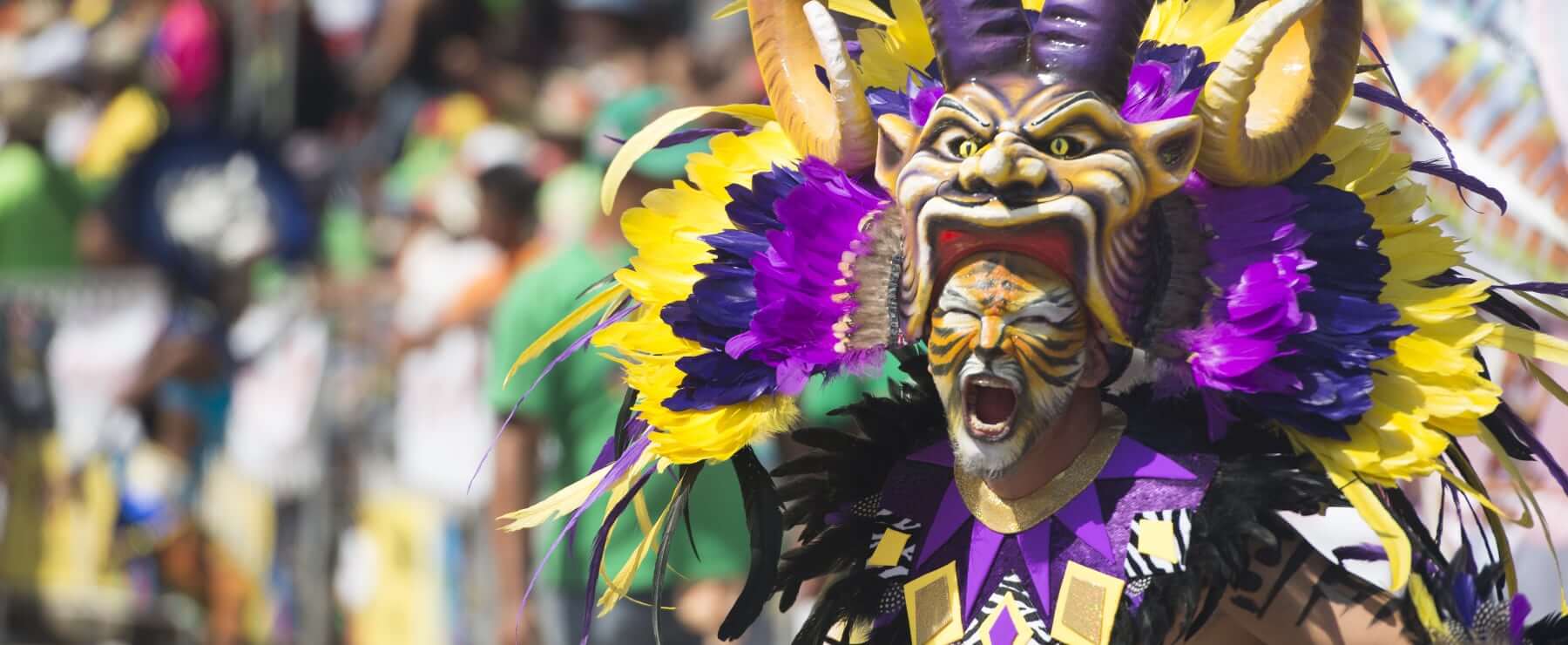
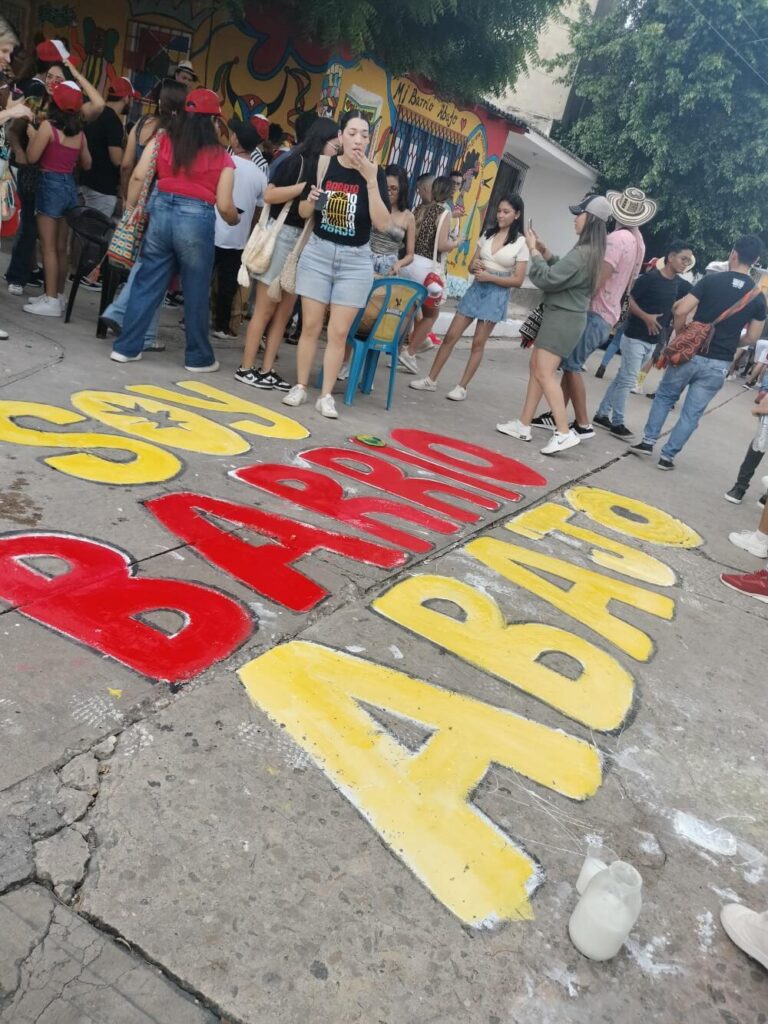
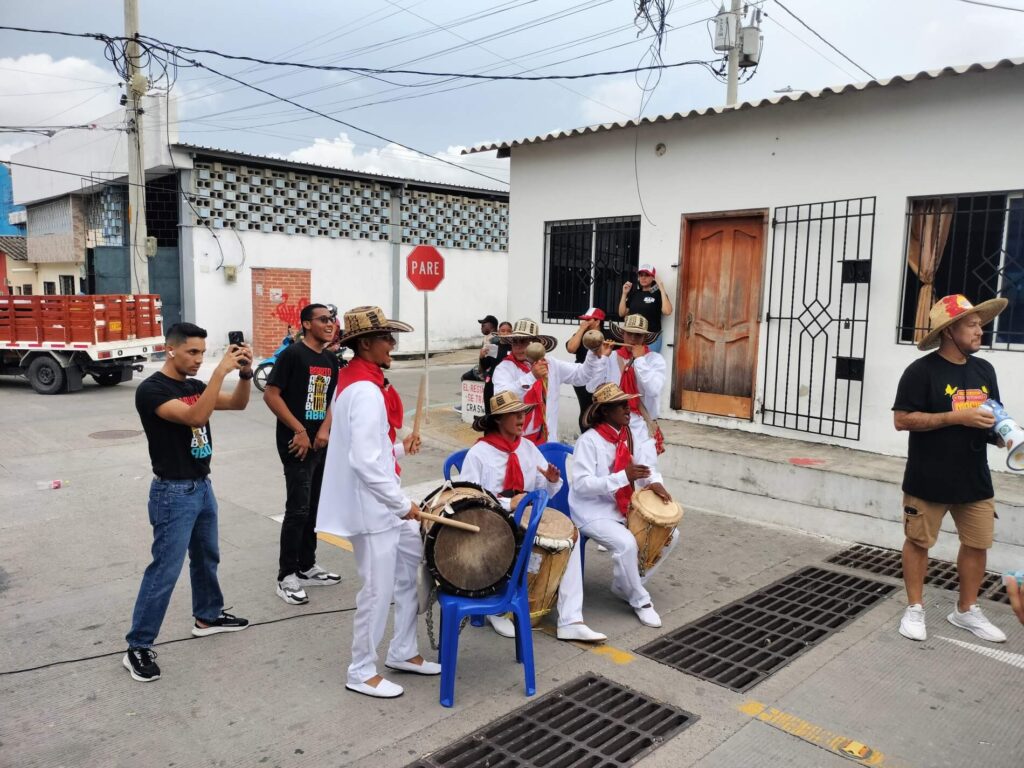
The Barranquilla Carnival is one of the largest and most vibrant carnivals in Latin America, drawing visitors from around the globe. The festivities officially begin with “La Lectura del Bando,” a symbolic reading that opens the carnival. Highlights include “La Batalla de Flores,” a parade with colorful floats, masks, and folkloric groups, and the Grand Parade, showcasing traditional dances like the Garabato and Marimonda. The carnival also incorporates indigenous, African, and Spanish traditions, making it a melting pot of Colombian culture.
Black and White Carnival (Carnaval de Negros y Blancos)
When: January 2–7
Where: Pasto, Nariño
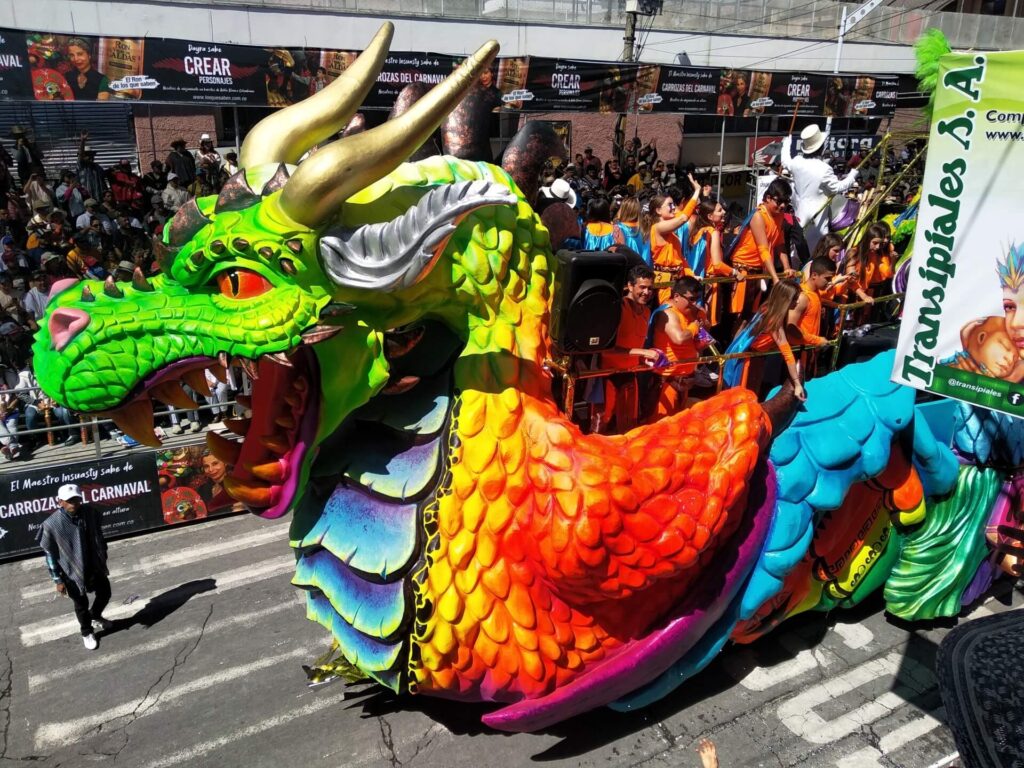
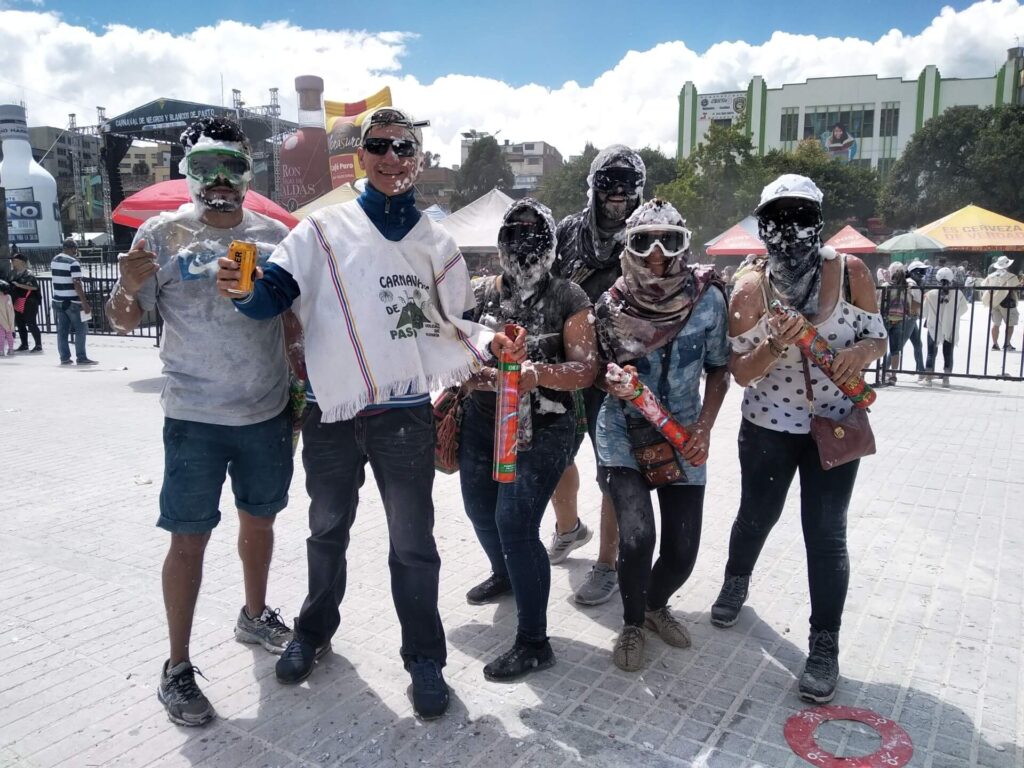
This UNESCO-recognized festival is a cultural gem of Colombia’s southern region. It originates from a mix of indigenous Andean, African, and Spanish traditions. The first days of the festival are dedicated to children’s parades and cultural performances. On January 5, “Black Day,” participants paint their faces with black paint to commemorate African heritage. The following day, “White Day,” everyone is covered in white powder or foam, symbolizing peace and unity. The festival also includes a spectacular parade of large, intricate floats created by local artisans.
Medellín Flower Festival (Feria de las Flores)
When: Late July to early August
Where: Medellín
This event is a tribute to the region’s flower growers, known as “silleteros,” who carry elaborate flower arrangements on their backs during the “Desfile de Silleteros.” The festival dates back to 1957 and has evolved into a city-wide celebration featuring concerts, horse parades (Cabalgata), a classic car show, and gastronomic fairs. The festival not only showcases Medellín’s natural beauty but also highlights its cultural pride and resilience.
The Wayúu Culture Festival (Festival de la Cultura Wayúu)
When: Late May
Where: Uribia, La Guajira
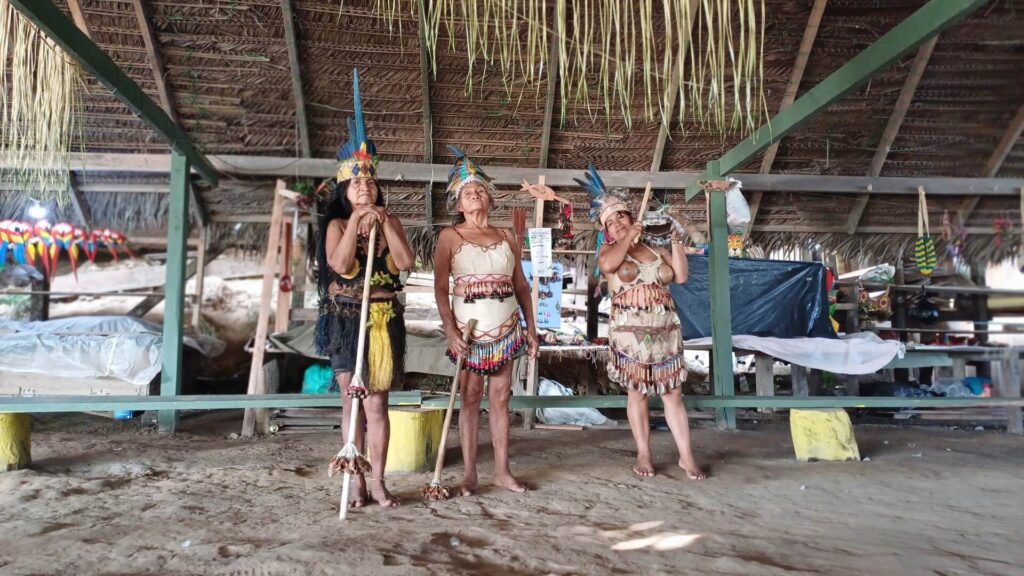
Held in the heart of Wayúu territory, this festival is a window into the traditions of one of Colombia’s largest indigenous groups. Activities include yonna dances, storytelling, and demonstrations of weaving techniques used to create their iconic mochilas (handbags). Visitors can also witness Wayúu rituals, games, and traditional gastronomy, such as friche (goat meat). The event serves as both a celebration and a preservation of Wayúu heritage.
Cali Fair (Feria de Cali)
When: December 25–30
Where: Cali
Known for its electrifying energy, the Cali Fair is a celebration of salsa, the city’s hallmark dance and music style. The event begins with the “Salsódromo,” a vibrant parade featuring salsa dancers and orchestras. Other attractions include the “Cabalgata” (a horseback parade), concerts by international and local artists, and gastronomic fairs showcasing regional delicacies like empanadas and lulada (a refreshing drink made with lulo fruit). The fair reflects Cali’s lively spirit and love for dance.